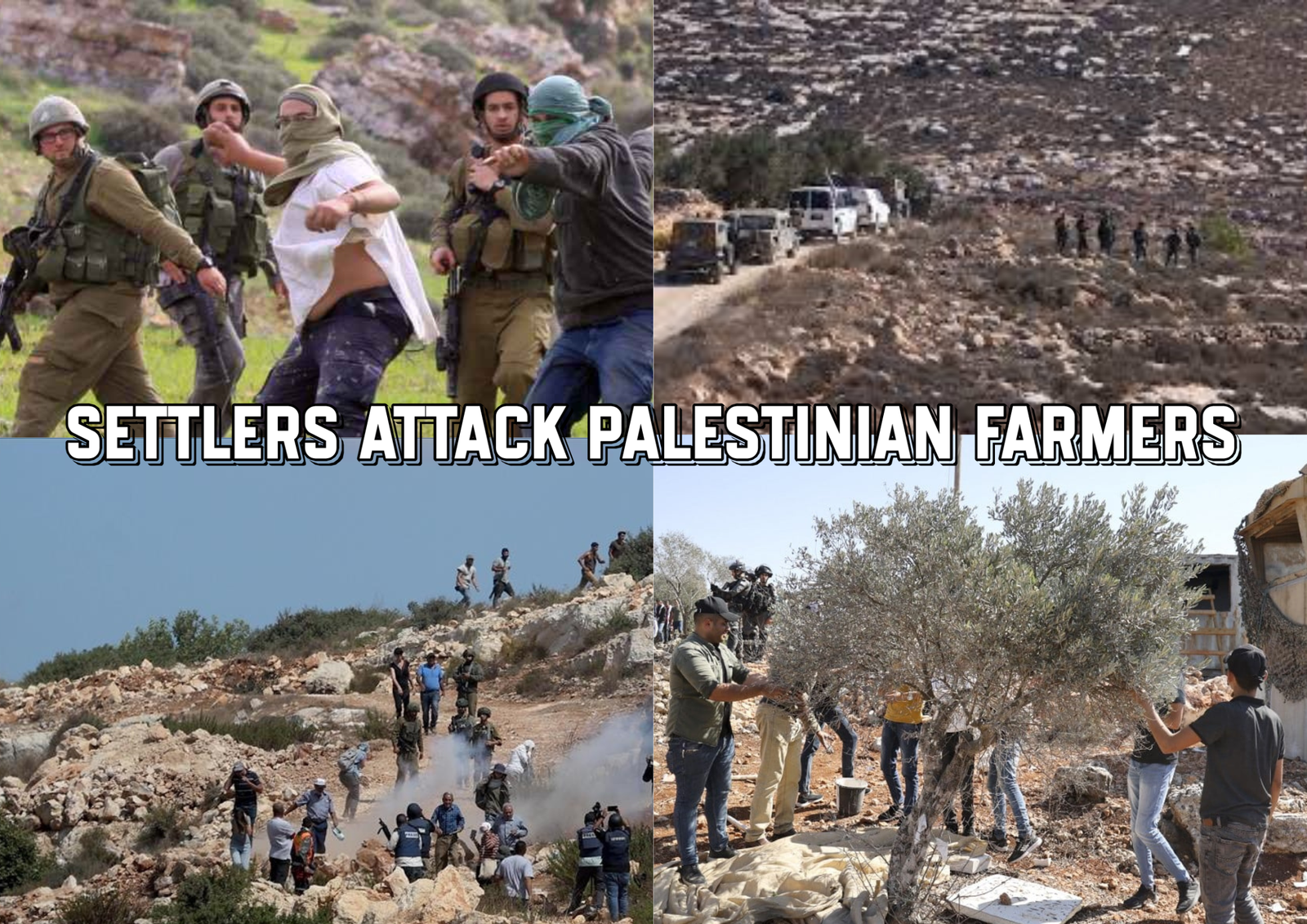
A sharp surge in violence by Israeli settlers against Palestinians in the West Bank has reached unprecedented levels, according to recent United Nations data. The increase, described by officials as the highest since records began in 2006, has disrupted the traditional olive harvest – a season vital to both the economy and heritage of Palestinian communities. Dozens of violent incidents were reported in early November, leaving several injured and sparking renewed calls for international intervention.
Attacks Near Nablus Leave Several Injured
On November 8, chaos erupted in the village of Burin, south of Nablus, when a group of settlers armed with clubs and stones reportedly assaulted Palestinian olive pickers and foreign volunteers. Eyewitnesses said at least 11 people were injured, including an Israel Defense Forces (IDF) reservist who had joined the group in solidarity. Journalists covering the event were also attacked. A day earlier, in a nearby village west of Nablus, another violent confrontation broke out when settlers hurled stones at Palestinian workers, leaving one man hospitalized with serious head injuries.
UN Data Highlights Record Numbers
According to UN monitoring teams, October 2025 saw the highest number of settler attacks ever documented – 264 incidents involving either injuries or property destruction. Officials noted that the violence coincides almost yearly with the olive harvest, when farmers return to ancestral groves that are often located near Israeli settlements. The pattern of attacks has led to growing concern among humanitarian groups about long-term displacement and the erosion of rural livelihoods.
Israeli Forces’ Response
The Israeli military confirmed that its troops intervened during the Burin assault, firing warning shots to disperse the crowd and detaining two suspects for questioning. Officials stated that the matter remains under investigation. The involvement of an off-duty reservist among the injured added a rare layer of complexity to the unfolding events, as it underscored divisions within Israeli society over the violence in the occupied territories.
Fear and Uncertainty Among Farmers
For Palestinian families, the olive harvest is more than an annual income source – it represents deep cultural and generational ties to the land. Yet, repeated violence has turned what was once a season of community into one of fear and uncertainty. Farmers report avoiding certain groves entirely, fearing confrontation or damage to property. Human rights organizations have warned that without stronger protection for civilians, the situation could worsen as the season continues.
Growing International Concern
The wave of attacks has prompted fresh criticism from international observers, who are urging both restraint and accountability. Advocacy groups have called for increased UN monitoring and for Israeli authorities to take stronger measures against settler violence. As tensions persist, the ongoing unrest threatens not only livelihoods but also the fragile fabric of daily life in the West Bank – where the olive tree, a symbol of resilience, once stood for peace and endurance.