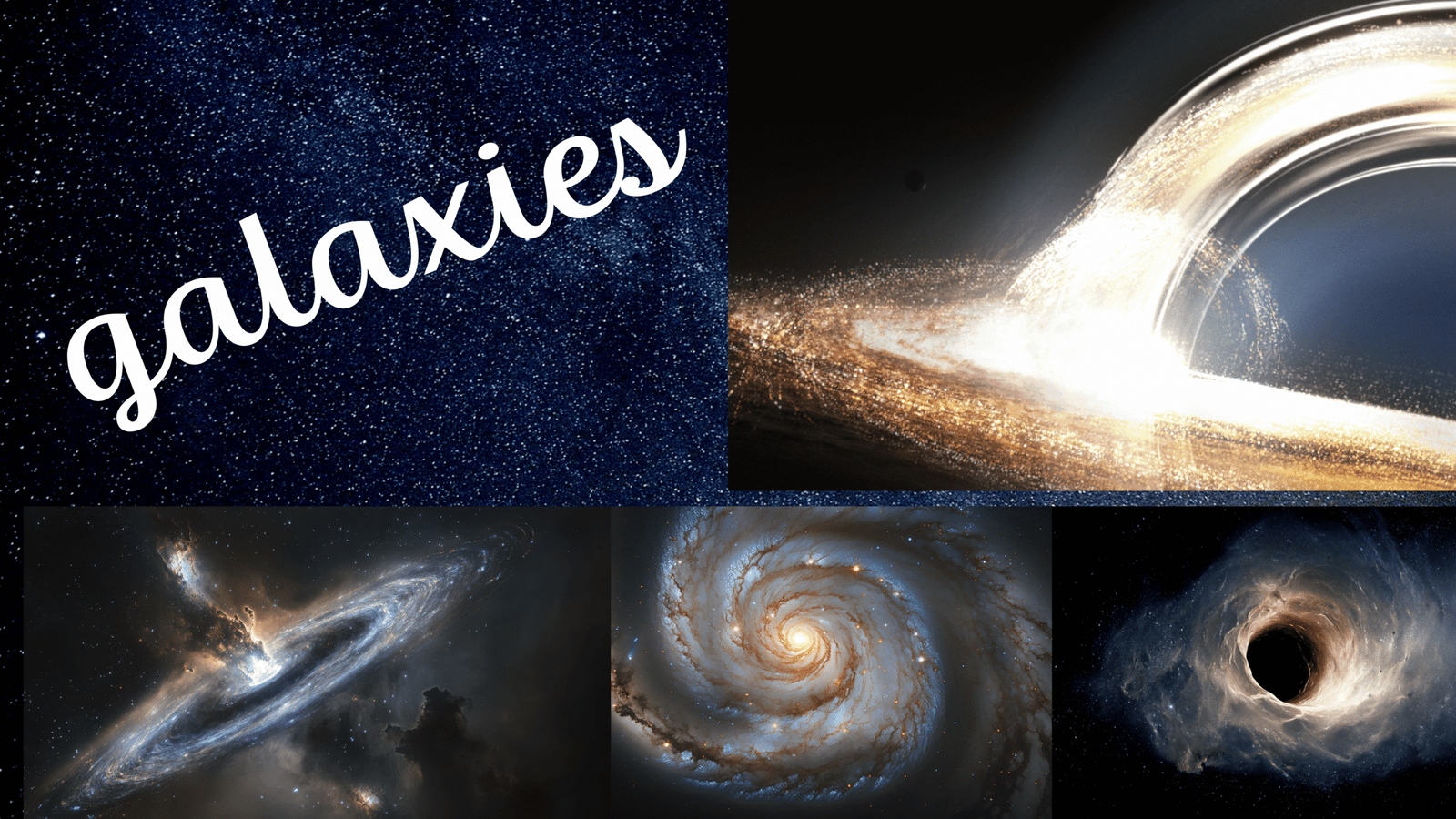
Astronomers have captured one of the most extraordinary cosmic events ever observed a colossal flare of light emitted by a distant supermassive black hole, shining with the radiant power of 10 trillion suns. The flare, which originated from a galaxy nearly 10 billion light-years away, marks the brightest black hole flare ever recorded.
Discovery and Observation
The phenomenon was first detected on October 24, 2024, by scientists using the European Southern Observatory’s Very Large Telescope (VLT) in Chile.
According to researchers, the dazzling burst of light came from a supermassive black hole residing at the heart of a remote galaxy. This cosmic giant is estimated to be hundreds of millions of times more massive than our Sun.
The findings, officially published in Nature Astronomy on November 4, 2025, provide one of the clearest glimpses yet into how black holes consume matter and release energy into the universe.
Nature of the Event
Astronomers believe the flare was the result of a tidal disruption event (TDE) a violent cosmic occurrence that happens when a star strays too close to a black hole.
The immense gravitational pull of the black hole tears the star apart, creating streams of stellar material that spiral inward, heating to extreme temperatures before being swallowed. This process releases an enormous burst of electromagnetic radiation, visible across vast cosmic distances.
The event, officially cataloged as AT2024fnh, is now recognized as the most luminous tidal disruption event ever observed, surpassing previous records by a significant margin.
Significance and Future Research
This unprecedented observation opens a new window into understanding the extreme physics surrounding supermassive black holes. By studying the light emitted from AT2024fnh, astronomers hope to uncover valuable clues about the formation of accretion disks, jet emissions, and the energy transfer that occurs when a star is destroyed.
The research team plans to monitor the fading flare using multiple observatories, including the James Webb Space Telescope (JWST) and the Extremely Large Telescope (ELT) currently under construction in Chile. These follow-up studies will help scientists map how the black hole continues to interact with the remnants of the devoured star.
Lead researcher Dr. Eliza Moreno of the ESO remarked,
“This event gives us a front-row seat to one of the universe’s most extreme shows a star’s final moments as it’s consumed by gravity itself.”
Conclusion
The detection of this record-breaking black hole flare is not only a milestone in observational astronomy but also a reminder of the raw, unrelenting power that governs our universe.
From a quiet corner of the cosmos, light from a doomed star has traveled billions of years to reach Earth offering humanity a fleeting glimpse of the cosmic violence and beauty that lie far beyond our galaxy.