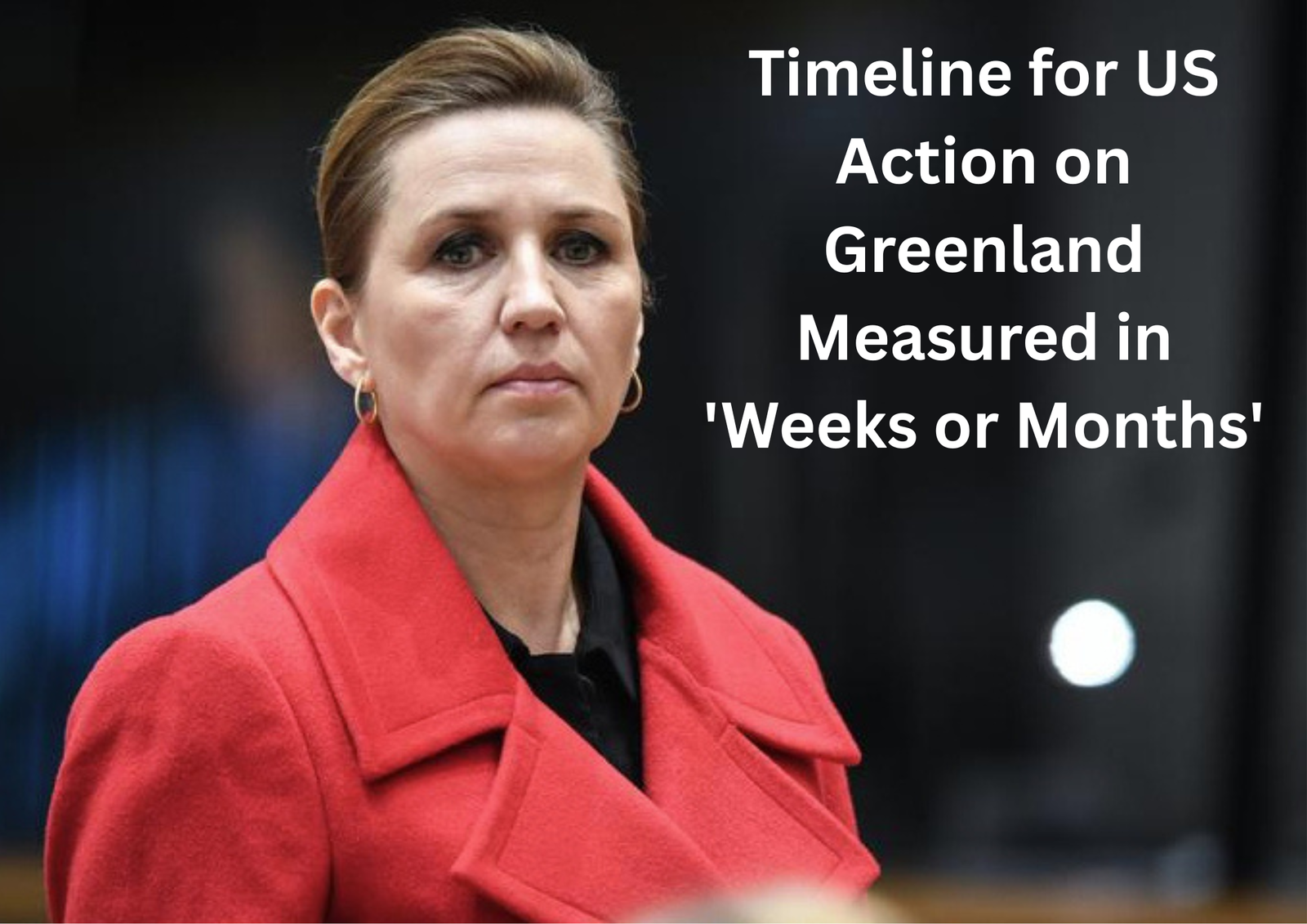
A rapidly unfolding diplomatic dispute is drawing global attention as U.S. President Donald Trump continues to advocate for the acquisition of Greenland, prompting emergency policy discussions in Washington and deep concern across the Arctic region.
Senior U.S. officials and representatives from Denmark and Greenland are set to meet behind closed doors at the White House on Wednesday. According to diplomatic sources, the talks were requested by Copenhagen to address what Danish officials describe as a “serious and urgent matter” affecting both NATO and Arctic stability.
Trump has repeatedly argued that incorporating Greenland into U.S. territory would strengthen national security in the era of great-power competition, citing the island’s strategic location and natural resources. His public remarks – including a recent statement that the U.S. intends “to obtain Greenland through acquisition, not leasing” – have drawn swift pushback in Washington.
On Capitol Hill, bipartisan lawmakers are exploring measures to restrict any military or hostile effort aimed at Greenland. Members of the Senate Arctic Caucus held a private meeting with foreign officials on Tuesday, signaling congressional intent to assert legislative oversight over foreign policy and the use of military force. Several representatives in the House have already introduced legislation that would prevent military action against any NATO ally without congressional authorization.
The controversy has strained U.S. relations with Denmark, a founding NATO member. Danish Prime Minister Mette Frederiksen warned that any forcible takeover of Greenland would severely damage the transatlantic alliance, adding that the situation may soon test Europe’s long-standing strategic ties with Washington.
In Greenland’s capital of Nuuk, the debate has sparked public anxiety and nationwide opposition. Local leaders have affirmed that Greenland’s sovereignty is not up for negotiation, with recent surveys suggesting overwhelming rejection of becoming an American territory. “This island is our home,” one resident said, reflecting widespread sentiment across Greenlandic society.
While the U.S. already operates a key military installation on the island under a decades-old agreement, foreign policy analysts say the renewed push reflects a broader race for influence in the Arctic. The region’s rare earth minerals, new shipping corridors, and proximity to Russian and Chinese naval routes are increasingly seen as critical assets in global competition.
European governments, particularly Germany and the United Kingdom, are reportedly exploring security initiatives that would address U.S. concerns while preserving Danish control. Proposals include Arctic naval patrols, expanded NATO exercises, and new defense cooperation frameworks specifically tailored for the region.
Greenland’s leadership has reiterated support for diplomacy, emphasizing that escalation would endanger both regional security and democratic institutions. Observers note that the outcome of Wednesday’s White House discussions could determine whether the dispute moves toward compromise or confrontation – with significant consequences for NATO unity.
“Nurses Strike in New York Moves Into Second Day as Contract Negotiations Remain at Impasse—don’t miss the complete breakdown and details, check out this blog to stay informed.”