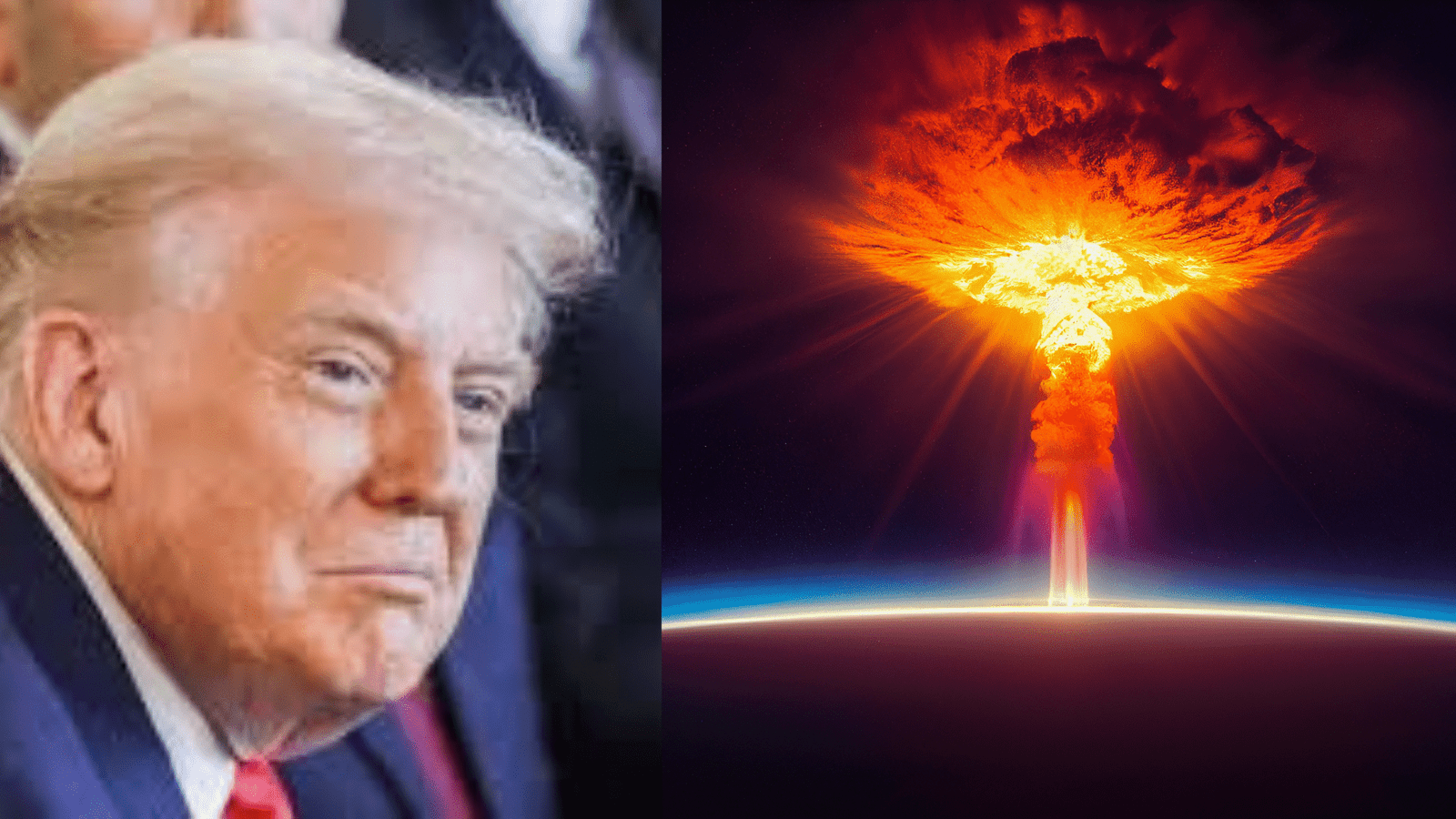
Advisers close to former U.S. President Donald Trump are reportedly exploring the option of resuming underground nuclear weapons testing if he returns to office following the November election. According to individuals familiar with the discussions, the idea remains preliminary but is gaining attention within Trump’s national security circles.
The proposal would mark the first U.S. nuclear test in more than three decades. America’s last confirmed underground detonation took place in 1992, after which Washington observed a self-imposed moratorium on explosive testing. Since then, the U.S. has relied on computer simulations and laboratory-based research under the Stockpile Stewardship Program to maintain its nuclear arsenal without physical detonations.
Rationale Behind the Proposal
Supporters of the plan argue that resuming limited underground testing is essential to ensure the reliability and modernization of America’s aging warheads. Some national security advisers reportedly contend that the U.S. must verify the integrity of its stockpile, particularly as concerns rise over alleged – though unproven low-yield nuclear tests by Russia and China. Both countries have denied conducting any such tests.
Advocates believe a controlled U.S. test could reaffirm the country’s technological edge and send a deterrent message to rival powers. “It’s about ensuring credibility and demonstrating readiness,” one adviser was quoted as saying, according to reports from ABC News and CNN.
Existing U.S. Policy and Treaty Commitments
The United States signed the Comprehensive Nuclear-Test-Ban Treaty (CTBT) in 1996, which prohibits all nuclear explosions. However, the U.S. Senate has never ratified the treaty, leaving it technically unbinding. Despite this, every administration since George H.W. Bush has upheld the testing moratorium, emphasizing scientific methods over explosive tests for maintaining deterrence.
Resuming such tests would represent a major break from this long-standing policy and could raise questions about Washington’s commitment to global arms control frameworks.
Global and Strategic Implications
Experts warn that reinitiating nuclear tests could have far-reaching geopolitical effects. Analysts at the Institute for the Study of War suggest that such a move might provoke international backlash, undermine global non-proliferation efforts, and embolden other nuclear-armed nations to follow suit.
The potential policy shift also emerges amid heightened tensions in Eastern Europe. On October 30, 2025, Russian forces reportedly intensified operations along multiple fronts in Ukraine, including near Pokrovsk and Luhansk. Moscow’s continued offensives underscore the broader security environment in which U.S. defense strategists are reevaluating deterrence measures.
What Comes Next
For now, the idea remains speculative, and no official decisions have been made. Political observers note that any move to resume nuclear testing would require extensive logistical preparation, legal review, and international consultation.
As global power dynamics continue to shift, the debate over whether to resume nuclear testing highlights the enduring tension between deterrence, diplomacy, and the risks of escalation.