

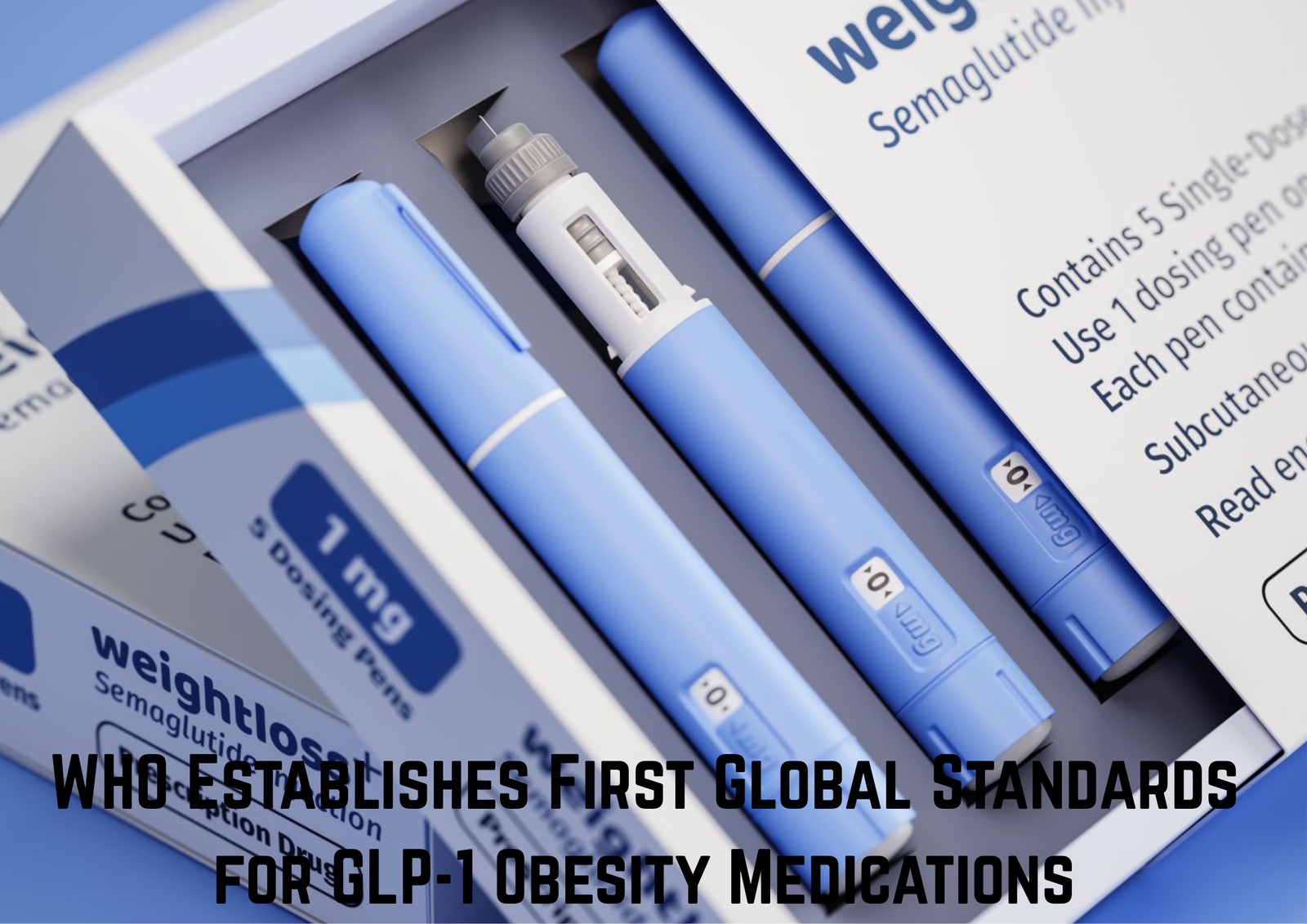
In a landmark move, the World Health Organization has issued its first global guideline for the use of GLP-1–based weight-loss medicines, officially recognizing the drugs as an important tool in modern obesity care. The guidance, released Monday, signals a major policy evolution for the health agency as demand for medications like semaglutide and tirzepatide continues to rise worldwide.
The WHO now recommends GLP-1 receptor agonists for adults with a body mass index of 30 or above, or for individuals with a BMI of at least 27 who also live with conditions linked to excess weight, including type 2 diabetes, hypertension, abnormal cholesterol levels, or sleep-related breathing disorders.
However, the agency stresses that the drugs must not be used in isolation. According to the guideline, treatment should be delivered as part of a broader clinical plan involving nutrition support, physical activity programs, behavioral counseling, and other medical care where appropriate.
The new recommendation is grounded in a comprehensive evidence review, which showed that GLP-1 therapies paired with lifestyle changes consistently produced stronger weight-loss outcomes and improved cardiovascular results compared to lifestyle interventions alone.
Concerns Over Price and Access
Despite the promising data, WHO officials expressed serious concern about limited global availability. The organization warned that high prices and persistent supply shortages have created significant barriers, raising the risk that only wealthier populations will benefit from the treatments.
“GLP-1 medicines represent real progress, but they cannot be allowed to widen the gap in global health,” said the head of the WHO’s Department of Nutrition and Food Safety. He noted that without sustained efforts to expand access, the global response to obesity could become increasingly unequal.
To address these challenges, the guideline urges governments and manufacturers to pursue price negotiations, voluntary licensing, and technology-transfer agreements that would support lower-cost production and improve availability in low- and middle-income countries.
Need for Medical Oversight
The directive also highlights commonly reported side effects such as nausea, vomiting, and constipation, emphasizing the importance of medical supervision throughout treatment. WHO experts caution that the medicines are powerful but require careful monitoring to ensure safe, long-term use.
A Pivotal Moment in Global Obesity Policy
The release of the guideline marks the first time the WHO has formally endorsed a pharmacological approach to obesity on a global scale. With obesity rates continuing to climb across regions, the organization says the new standards are designed to help countries build more effective, equitable, and comprehensive treatment programs.
While acknowledging the transformative potential of GLP-1 therapies, the WHO maintains that the world must now confront the challenges of affordability, supply stability, and fair access-issues it views as critical to preventing deeper health disparities in the years ahead.