
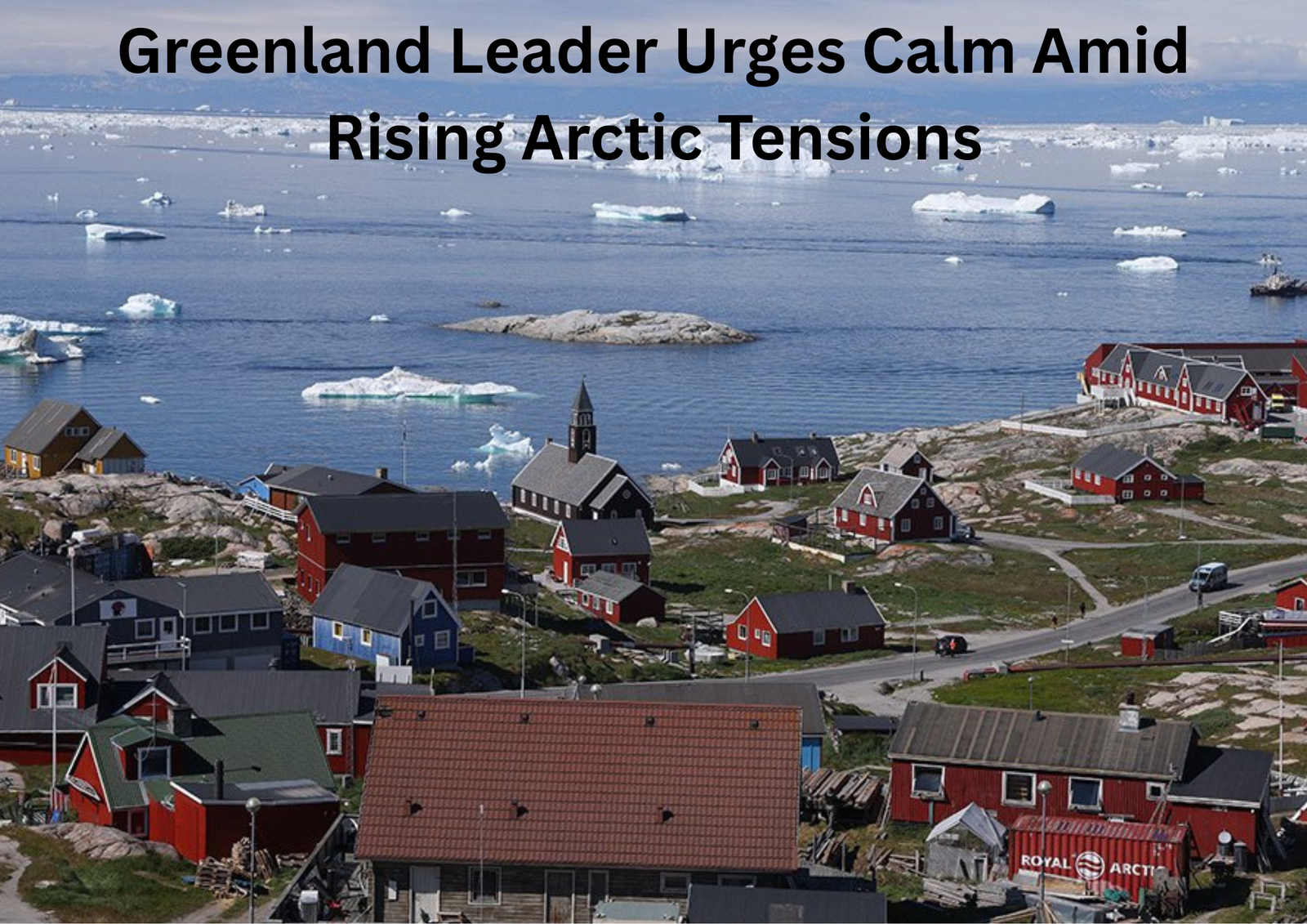
Greenland’s Premier, Mariane Paviasen, issued a rare public statement on Monday urging residents to remain calm and “prepared for any scenario,” as new geopolitical discussions surrounding the Arctic territory gained international attention. While the Premier did not identify a specific threat, the remarks suggested heightened concern over Greenland’s strategic position and global interest in its natural resources.
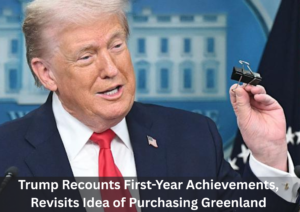
The statement followed reports that the U.S. President Donald Trump privately discussed the possibility of asserting control over Greenland through military means if he were to regain office. According to multiple outlets, the proposal was framed around securing the island’s mineral wealth, expanding U.S. military capability in the Arctic, and countering the influence of Russia and China in the region. Although such discussions remained unofficial, analysts noted that the ideas represented some of the most aggressive U.S. strategies considered in recent years regarding Greenland.
The reports sparked swift diplomatic pushback throughout Europe. During a session in the European Parliament, a Danish representative strongly rejected any foreign attempts to forcefully alter Greenland’s status, emphasizing Denmark’s responsibility for the island’s defense and foreign affairs. Greenland, while self-governing, remains part of the Kingdom of Denmark and retains control of domestic matters.
Tensions surrounding the island are not new. The United States has operated the Thule Air Base in northern Greenland for decades, using the facility for missile warning systems and satellite tracking within NATO missions. However, speculation over strategic competition in the Arctic has intensified in recent years as climate change opens new navigation routes and increases access to mineral and energy deposits.
Experts warn that any military or unilateral action in Greenland would present significant diplomatic consequences. “Greenland’s status is governed through legal and political agreements, not open for external appropriation,” said Arctic policy analyst Ingrid Larsen. “The island holds immense strategic value, and that alone makes it a focal point for global power competition.”
Despite the rising rhetoric, Greenland’s leadership emphasized that public safety remains the priority. Paviasen called for unity and levelheadedness, adding that Greenland’s future should be determined by its people and through peaceful international dialogue.
As Arctic governance becomes increasingly contested, Greenland appears positioned at the intersection of global strategy, resource interest, and regional self-determination – making the island a critical geopolitical stage in the years ahead.
Congress Passes Final FY 2026 Budget Bill, Preventing Government Shutdown – read this blog now to understand the full political stakes behind the deal.