
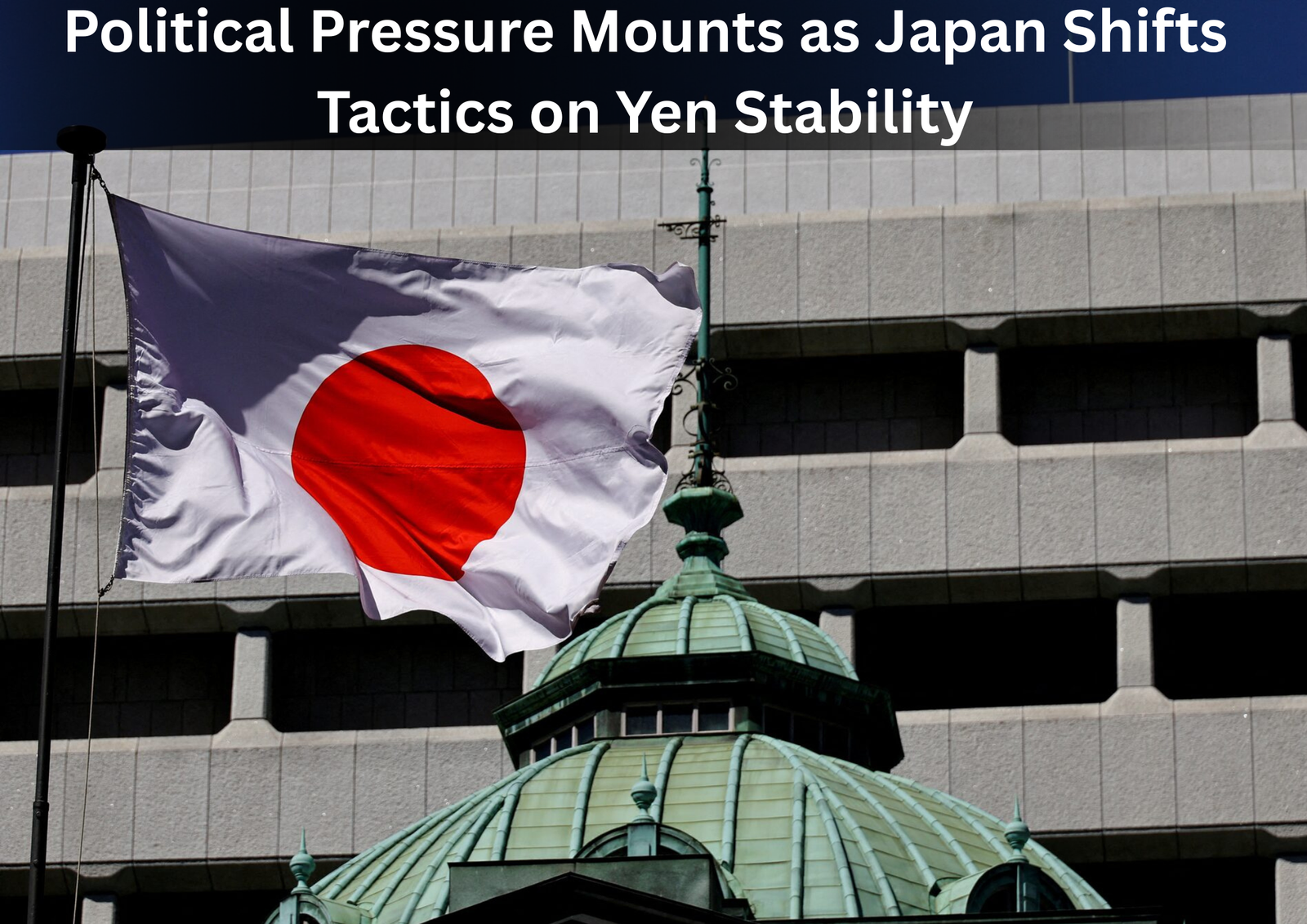
Japan appears to be recalibrating how it manages currency volatility, moving toward earlier and more assertive action to support the yen as political concerns and monetary policy signals increasingly align.
Prime Minister Sanae Takaichi on Sunday reiterated her administration’s readiness to counter what she described as excessive and speculative market behavior. Speaking during a nationally televised party leadership debate, she emphasized that authorities would not hesitate to act if currency movements threatened economic stability. Her remarks came amid signs that Japan has lowered its threshold for intervening in foreign exchange markets.
Market participants pointed to unusual activity late last week, when officials were widely believed to have conducted preliminary “rate checks” – a step often viewed as a warning signal ahead of direct intervention. Unlike previous episodes, this move occurred during relatively calm trading conditions, suggesting a strategic shift toward shaping expectations rather than responding to acute volatility.
The policy backdrop has also been influenced by a more assertive tone from the Bank of Japan. While the central bank left its benchmark interest rate unchanged at 0.75% at the conclusion of its January meeting, officials signaled growing confidence that inflationary pressures are becoming more entrenched. Governor Kazuo Ueda noted that sustained wage increases are prompting companies to pass higher labor costs on to consumers, reinforcing price momentum.
Reflecting this assessment, the BOJ modestly raised its inflation outlook for the coming fiscal year and upgraded its economic growth projections. Although no explicit timetable for further tightening was provided, Ueda stressed the importance of acting at the appropriate moment, a message that markets interpreted as keeping the door open to additional rate hikes. One board member went further, publicly advocating another increase at the next meeting.
Currency markets reacted swiftly. The yen initially weakened following the BOJ announcement, slipping past 159 per dollar before reversing sharply. The sudden rebound, which pushed the currency closer to the mid-157 range, was widely attributed to suspected official involvement. Technical analysts observed that the move disrupted established trading patterns, breaking through multiple support levels and increasing the likelihood of further near-term yen strength.
Another factor reshaping market expectations is the possibility of tacit international coordination. Some traders speculated that U.S. authorities may be tolerant of, or even supportive of, a firmer yen, particularly as Washington seeks to ease dollar strength for competitiveness reasons. This perception has weakened traditional correlations between the yen and Japanese bond yields, placing greater emphasis on political dynamics.
Domestically, the BOJ is navigating mounting challenges. Expansionary fiscal plans have contributed to rising government bond yields, prompting warnings from central bank officials about unusually rapid moves in long-term rates. At the same time, a weaker currency risks amplifying consumer inflation through higher import costs – a sensitive issue ahead of a lower house election expected in early February.
Taken together, these developments suggest that Japan’s currency policy is entering a new phase. Analysts increasingly believe that intervention decisions will be driven less by market turbulence and more by political and inflation considerations. Until there is clarity that authorities have stepped back, many traders now favor selling dollar-yen rallies rather than positioning for renewed weakness in the Japanese currency.
Markets broadly expect the BOJ to continue normalizing policy later this year, with pricing indicating another rate increase by mid-2026, even as debate continues over the precise timing.
Don’t miss this insightful report on “U.S. Government Plans Major Investment to Strengthen Domestic Rare Earth Supply Chain”-read the full blog to understand its economic, strategic, and global impact.