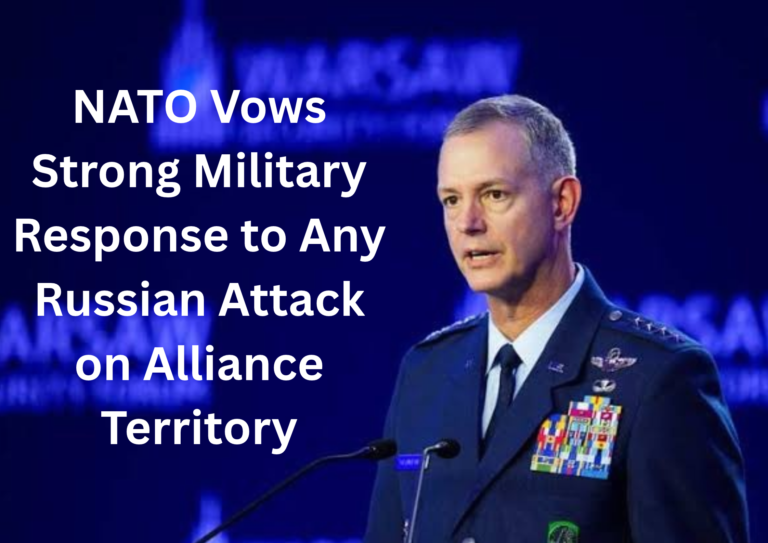
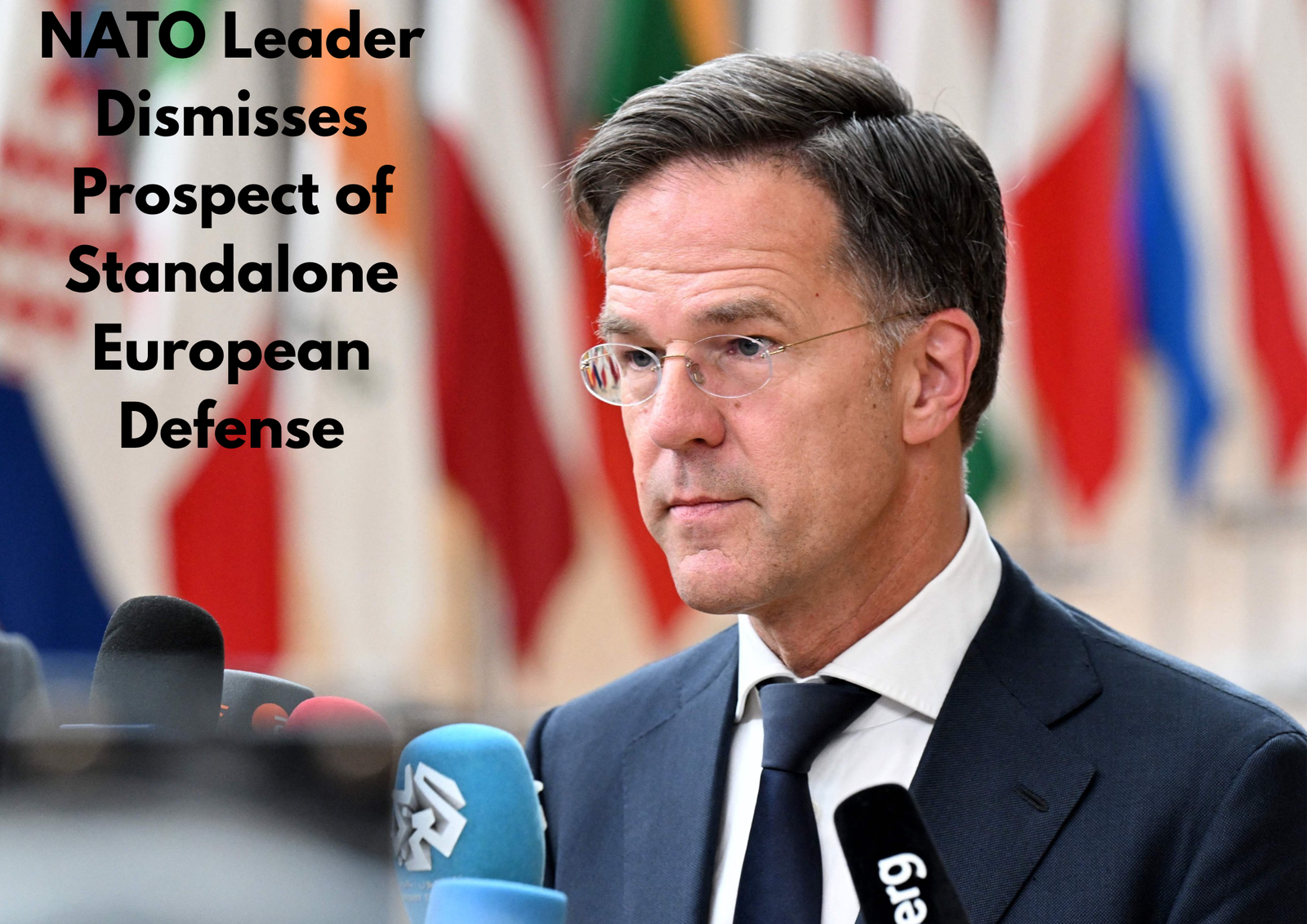
NATO Secretary General Mark Rutte delivered a blunt assessment of Europe’s security ambitions on Monday, warning that the continent is not prepared to defend itself independently without continued backing from the United States.
Speaking before members of the European Parliament in Brussels, Rutte pushed back strongly against growing calls for a self-reliant European military force, saying expectations of full autonomy from Washington are unrealistic in today’s geopolitical climate.
Europe Still Depends on Transatlantic Security
Rutte addressed recent proposals from several European leaders advocating for a standalone European defense structure separate from NATO. While acknowledging Europe must contribute more to its own security, he stressed that such efforts must remain anchored within the transatlantic alliance.
According to Rutte, building parallel military systems would drain already-limited resources, fragment command structures, and reduce overall effectiveness. He cautioned that weakening NATO unity would ultimately benefit adversarial powers rather than strengthen European sovereignty.
High Costs and Nuclear Reality
The NATO chief also highlighted the enormous financial burden Europe would face if it attempted to replace U.S. military support. He noted that defense spending would need to rise far beyond current NATO benchmarks, particularly if Europe sought to develop its own nuclear deterrent.
Without American backing, Rutte warned, Europe would lose access to the U.S. nuclear umbrella, which has long been a central pillar of NATO’s collective defense strategy. Replacing that capability independently, he said, would take decades and cost vast sums of public money.
Arctic Tensions Add Urgency
Rutte’s remarks come amid renewed diplomatic tension surrounding Greenland and the Arctic region. Recent statements by U.S. President Donald Trump about Greenland’s strategic importance reignited debate over security in the High North, where increased military and economic activity by Russia and China has raised concerns among NATO members.
While distancing himself from territorial negotiations, Rutte agreed that Arctic security deserves greater international attention. He emphasized that NATO should play a stronger coordinating role while diplomatic discussions continue between the United States, Denmark, and Greenland’s autonomous government.
Managing Relations With Washington
As a former Dutch prime minister, Rutte has developed a reputation as a pragmatic mediator with U.S. leadership. Following meetings at the World Economic Forum in Davos, President Trump suggested progress had been made toward easing tensions with European allies over Greenland, though details remain limited.
Rutte acknowledged that defending U.S. engagement in European security may be unpopular in some political circles, but argued that cooperation with Washington remains essential for stability on the continent.
Ongoing Diplomatic Efforts
Earlier this month, senior officials from Denmark and Greenland met with U.S. leaders in Washington to discuss future relations. While the talks were described as productive, both sides confirmed that fundamental disagreements over Greenland’s status and governance persist.
Despite those differences, NATO officials continue to stress that unity among allies is critical as global security challenges grow more complex.
Don’t miss this deep dive on “Suella Braverman Leaves Conservatives to Join Reform UK, Citing Deep Party Rift”-read the full blog to understand what this dramatic political split could mean next.