
The United States and the United Kingdom appear to be diverging in their approaches toward China after President Donald Trump publicly warned Britain against deepening economic ties with Beijing, even as Prime Minister Keir Starmer concluded a high-profile diplomatic visit to China marked by new cooperation initiatives.
Speaking in Washington, Trump described closer engagement with China by traditional allies as risky, suggesting such moves could carry serious long-term consequences. His comments came shortly after Starmer wrapped up a multi-day visit to Beijing, the first by a British prime minister in nearly a decade, aimed at stabilizing relations and expanding economic opportunities between the two countries.
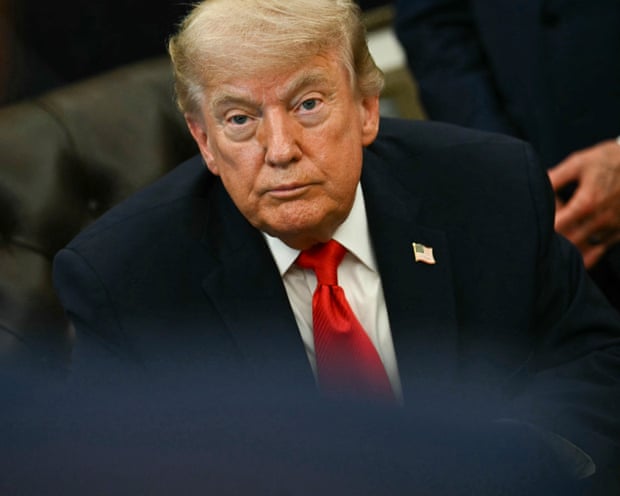
Image Source: https://www.theguardian.com/
During the visit, UK and Chinese officials announced several practical steps designed to encourage trade and mobility. These included a new visa-free travel arrangement allowing British citizens to visit China for up to 30 days, reductions in tariffs on Scotch whisky exports, and commitments to improve market access for British firms. Chinese automaker Chery also revealed plans to establish a research and development facility in Liverpool, signaling increased industrial collaboration.
Starmer characterized his meetings with Chinese President Xi Jinping as constructive and forward-looking. He emphasized that Britain’s engagement with China does not weaken its long-standing alliance with the United States, arguing instead for a balanced and pragmatic foreign policy that reflects modern global realities.
Trump, however, expressed skepticism. Asked about the UK’s outreach to Beijing, he warned that such engagement could be “very dangerous,” adding that similar concerns applied to Canada’s recent dealings with China. The president did not outline specific retaliatory measures but framed his remarks within a broader critique of Western governments expanding economic cooperation with Beijing.
Canada has also faced U.S. pressure following its own diplomatic engagement with China earlier this month. Ottawa secured tariff reductions on key exports, including canola oil, while agreeing to limited strategic cooperation. Trump has since threatened steep tariffs on Canadian goods should those ties deepen further.
The developments underscore growing tensions among Western allies over how to navigate relations with China amid shifting global power dynamics. British officials have stressed that the agreements announced during Starmer’s visit fall short of a formal trade pact, a distinction intended to reassure Washington.
As global leaders attempt to balance economic interests with geopolitical caution, the differing responses from Washington and London highlight an evolving debate over China’s role in the international system-and how close U.S. allies should stand to it.
Don’t miss the full analysis on “Venezuela Overhauls Oil Sector Rules, Expands Role of Foreign Firms Amid International Pressure”-read this blog to understand what’s driving the shift and why it matters globally.