



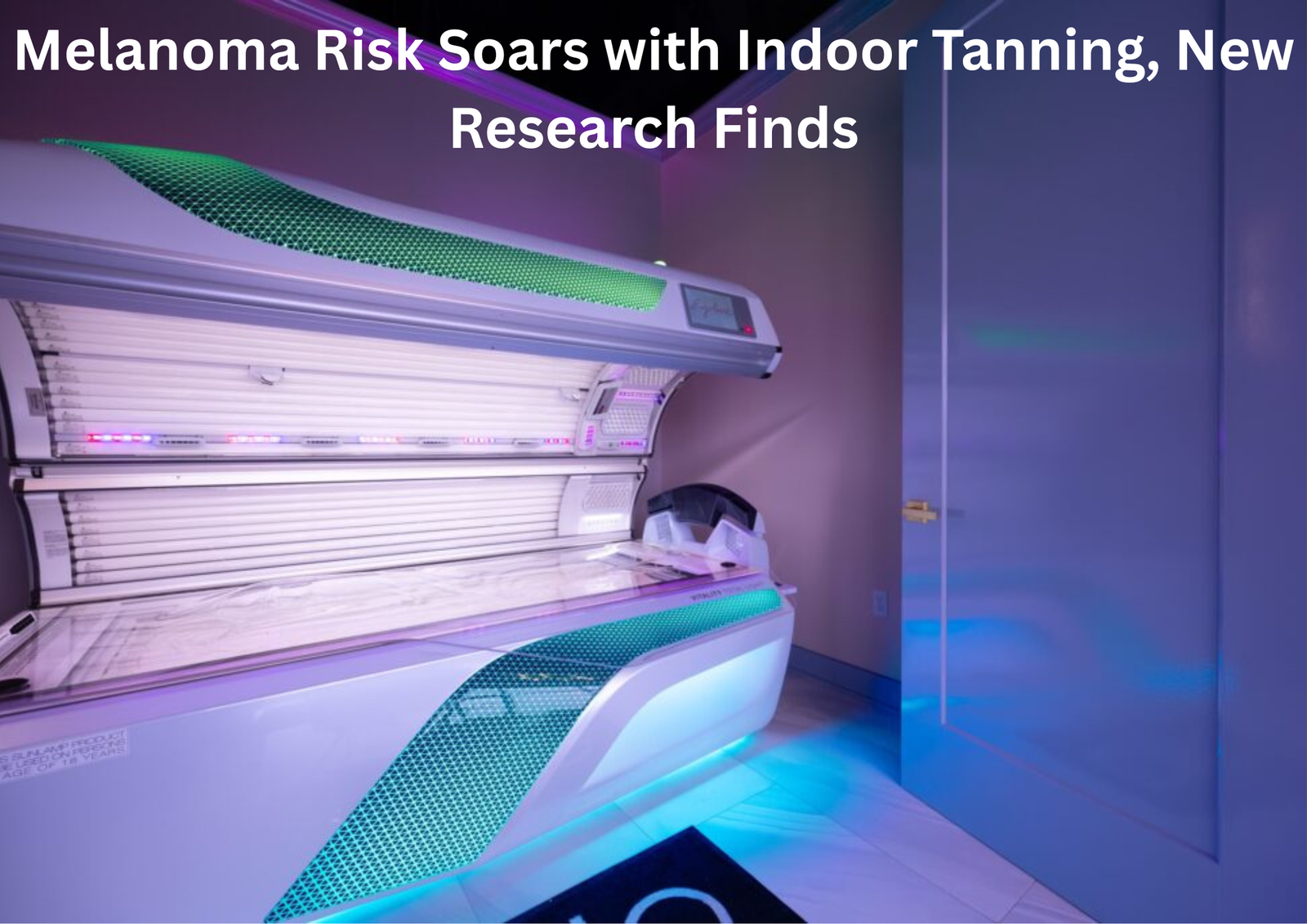
A major scientific investigation has found compelling new evidence that the use of indoor tanning beds significantly increases the risk of developing melanoma, the most dangerous form of skin cancer. Researchers say the damage caused by artificial ultraviolet (UV) radiation is far more widespread than previously understood, affecting nearly the entire surface of the skin.
The study, conducted by a team of medical researchers from leading U.S. universities, examined health records from thousands of individuals to compare cancer outcomes between people who used tanning beds and those who never did. The findings revealed that melanoma occurred at more than twice the rate among tanning bed users, even after accounting for age, gender, family history, and past sun exposure.
Scientists also explored why this increased risk occurs. Using advanced genetic analysis, they studied pigment-producing skin cells known as melanocytes-the cells where melanoma begins. These cells were collected from individuals with long histories of indoor tanning and compared with samples from people who had never used tanning beds.
The results were striking. Skin cells from tanning bed users showed significantly higher levels of DNA mutations, many of which are known to play a role in cancer development. Even more concerning, these genetic changes were found not only on areas commonly exposed to light, but also on parts of the body that rarely see natural sunlight.
According to the research team, this suggests that tanning beds create a broad “damage zone” across the skin, rather than limited harm confined to exposed areas. In contrast, natural sunlight typically affects a smaller portion of the body at any given time.
Medical experts involved in the study say these findings challenge long-standing claims by the indoor tanning industry that tanning beds are no more dangerous than outdoor sun exposure. International health organizations already classify tanning devices among the highest-risk cancer-causing agents, placing them in the same category as tobacco smoke and asbestos.
Dermatologists are particularly concerned about young people, noting that many individuals who develop melanoma at an early age report frequent tanning bed use during their teenage years. Specialists are calling for stronger regulations, clearer health warnings, and broader public education on the risks associated with artificial tanning.
Patients who participated in the research shared their personal experiences, including years of medical monitoring, repeated biopsies, and the emotional strain of living with a heightened cancer risk. Many said they joined the study to help raise awareness and prevent others from making similar choices.
Doctors now recommend that anyone who has regularly used tanning beds in the past schedule routine full-body skin examinations. Early detection remains one of the most effective ways to improve survival rates for melanoma.
The study was supported by several public and nonprofit research organizations and adds to a growing body of evidence warning against indoor tanning. Health experts emphasize that avoiding artificial UV exposure is one of the simplest steps people can take to reduce their risk of skin cancer.