

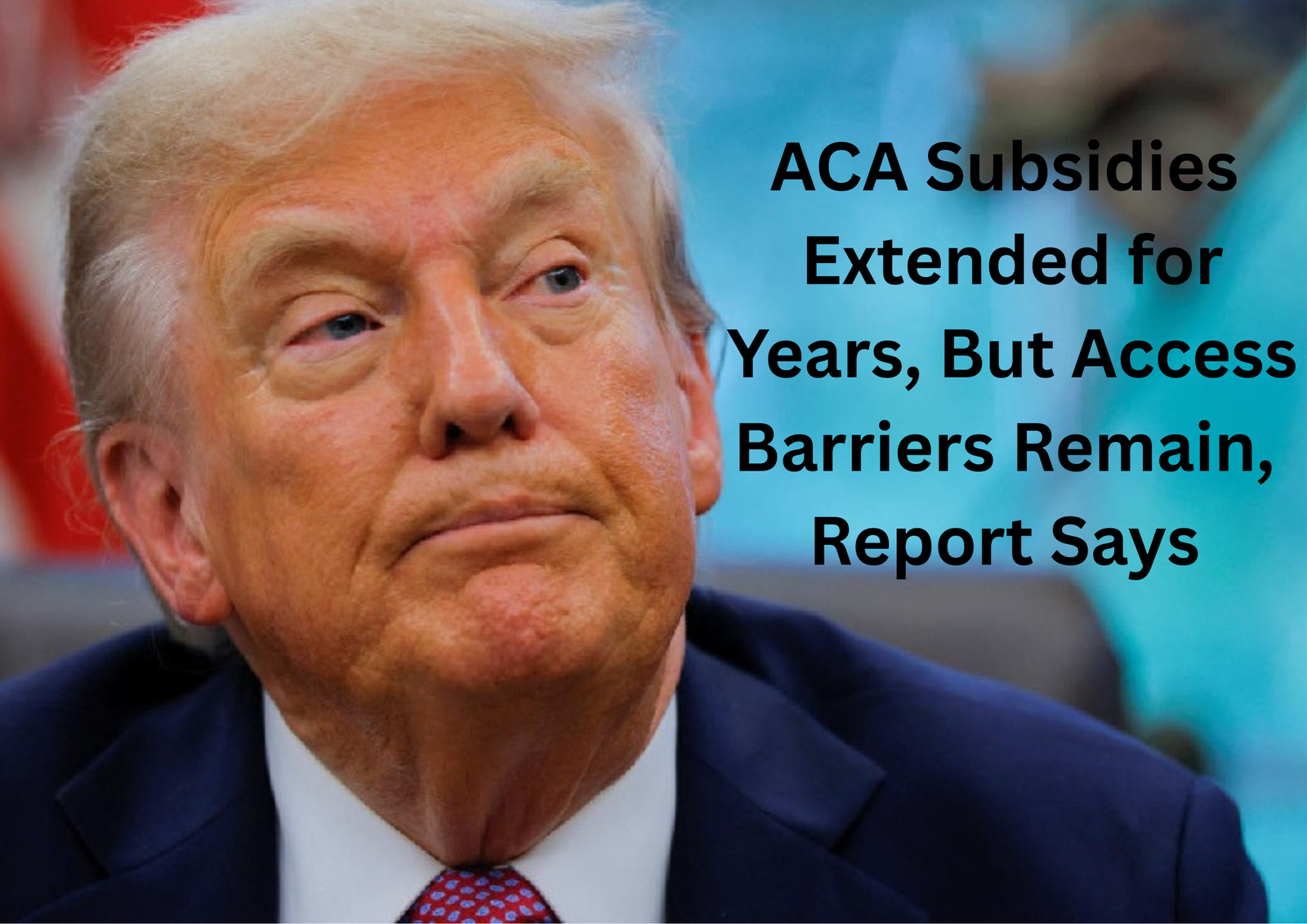
In a rare moment of bipartisan consensus, Congress voted Thursday to extend the enhanced subsidies that help millions of Americans afford health insurance through the Affordable Care Act (ACA) marketplaces. The measure was folded into a broader tax package that passed both chambers on December 4 and now awaits President Trump’s expected approval.
Lawmakers from both parties framed the subsidy extension as necessary to avoid premium spikes and prevent coverage losses that would have taken effect when the financial assistance expired. The renewed subsidies aim to keep monthly premiums manageable for low- and middle-income families who rely on marketplace plans for coverage.
The vote came as new national polling highlighted widespread public support for the continuation of the enhanced subsidies. A recent survey conducted and released Thursday found that most Americans – including a notable share of Republicans – back keeping the current level of financial assistance in place. The data suggested that maintaining affordability has become a broadly accepted goal, even amid long-standing partisan divisions over the ACA.
While the legislative deal ensures short-term stability for the insurance market, a new report from the U.S. Department of Health and Human Services (HHS) shows significant affordability gaps remain. According to the agency’s analysis, about one in four people enrolled in ACA plans – roughly 9 million individuals – skip or delay essential health care each year because they cannot afford the out-of-pocket expenses. These challenges include high deductibles, rising copayments, and the cost of prescription medications.
The findings underscore the reality that even insured households face financial strain when seeking care. Health experts note that while subsidies reduce monthly premiums, they do not address other expenses that can prevent patients from accessing treatment, filling prescriptions, or following up after medical procedures.
The extension of subsidies represents a major policy win for supporters of the ACA and for consumers who depend on the program. It is expected to reduce uncertainty for insurers and stabilize premiums heading into the next enrollment cycle. However, the HHS report signals that meaningful debates over the long-term structure of the health care system – and how to make care affordable beyond premiums – are far from over.
As the bill heads to the White House for final approval, lawmakers and policy analysts alike say the renewed subsidies provide temporary relief, but deeper affordability issues will continue shaping the national health care conversation in the years ahead.