

California Governor Gavin Newsom has unveiled a new statewide public health initiative aimed at strengthening disease preparedness, data systems, and science-based decision-making, positioning the state as a counterweight to shifting federal health priorities.
The initiative, called the Public Health Network Innovation Exchange, will operate as a collaborative platform bringing together state agencies, academic institutions, technology partners, and public health leaders. According to the governor’s office, the effort is designed to modernize how health data is collected, analyzed, and shared while reinforcing trust in evidence-driven policy.
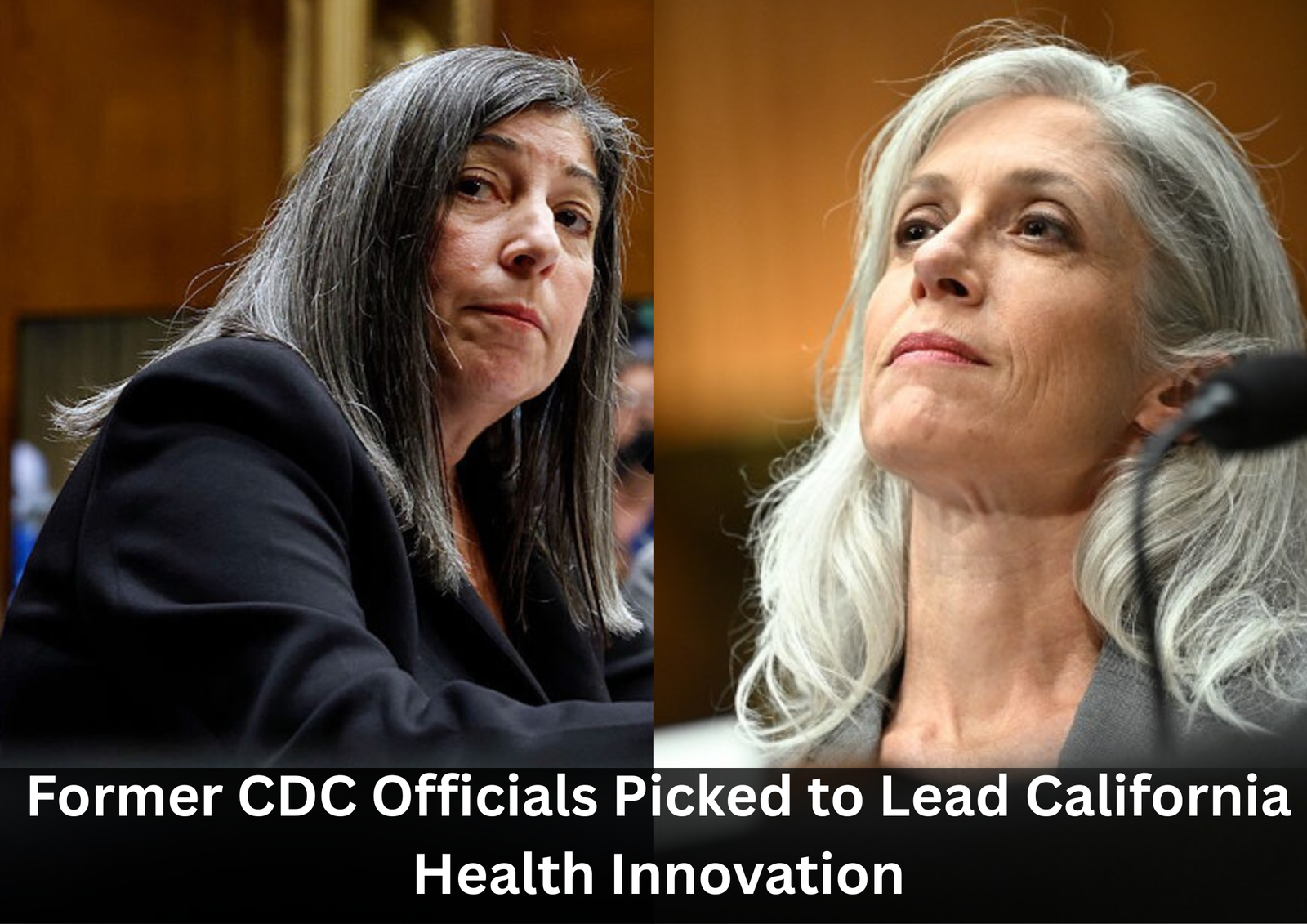
As part of the announcement, Newsom named two former senior officials from the Centers for Disease Control and Prevention as key advisors to the project. Both previously held top roles at the federal agency and exited their positions earlier this year amid internal disputes over public health policy.
Dr. Susan Monarez, who briefly served as CDC director, will advise the program on health technology, funding models, and public-private partnerships. Her focus will include improving data integration across health systems and exploring innovative financing approaches to support long-term public health infrastructure.
Dr. Debra Houry, formerly the CDC’s chief medical officer, will take on a broader advisory role centered on regional and international collaboration. Her work will involve strengthening coordination between local health departments, state agencies, and global partners to improve readiness for future health threats.
A third advisor, epidemiologist Dr. Katelyn Jetelina, will support the California Department of Public Health through a communications-focused effort known as Project Stethoscope. The program aims to better understand public concerns by analyzing digital conversations and community feedback, allowing health officials to respond more quickly and clearly to misinformation and emerging issues.
State officials say the new exchange reflects growing concern among some governors that federal public health capacity has been weakened by policy shifts, staffing changes, and reduced emphasis on scientific consensus. The Newsom administration has repeatedly argued that states must be prepared to act independently when national guidance becomes inconsistent or delayed.
“The goal is not duplication, but resilience,” a senior administration official said. “California is investing in tools and partnerships that allow public health leaders to move faster, communicate better, and rely on transparent data.”
Key areas of focus for the initiative include the responsible use of artificial intelligence in disease surveillance, privacy-preserving data systems, and cross-border collaboration. The state plans to work closely with other governors through existing regional and multi-state alliances to share resources and coordinate responses to public health emergencies.
California has already played a leading role in several cooperative health efforts, including West Coast partnerships with neighboring states and participation in international outbreak monitoring networks. Officials say the new initiative will build on those foundations while expanding the state’s technical and analytical capabilities.
Newsom framed the launch as an investment in long-term stability rather than a short-term political statement. In a written statement, he said the exchange would “help ensure that public health decisions are guided by facts, not fear, and supported by modern systems that people can trust.”
The announcement also arrives as speculation continues about Newsom’s national political future. With his gubernatorial term ending in 2027 due to term limits, the California governor is widely viewed as a potential contender in the 2028 presidential race. Supporters argue his aggressive stance on health, climate, and technology reflects leadership on issues with national relevance.
Critics, however, see the move differently. Republican State Senator Tony Strickland criticized the appointments, saying the governor should focus more on immediate state challenges such as housing, homelessness, and cost of living rather than positioning California as a national policy counterbalance.
Federal officials declined to comment on the state’s new initiative or the appointments. A spokesperson for the U.S. Department of Health and Human Services previously stated that leadership changes at the CDC were part of a broader reorganization aligned with the administration’s policy goals.
Despite the political debate, California health officials say the new exchange is already moving forward, with planning sessions and pilot projects expected to begin in early 2026. If successful, the program could become a model for other states seeking to reinforce public health systems in an increasingly complex policy environment.