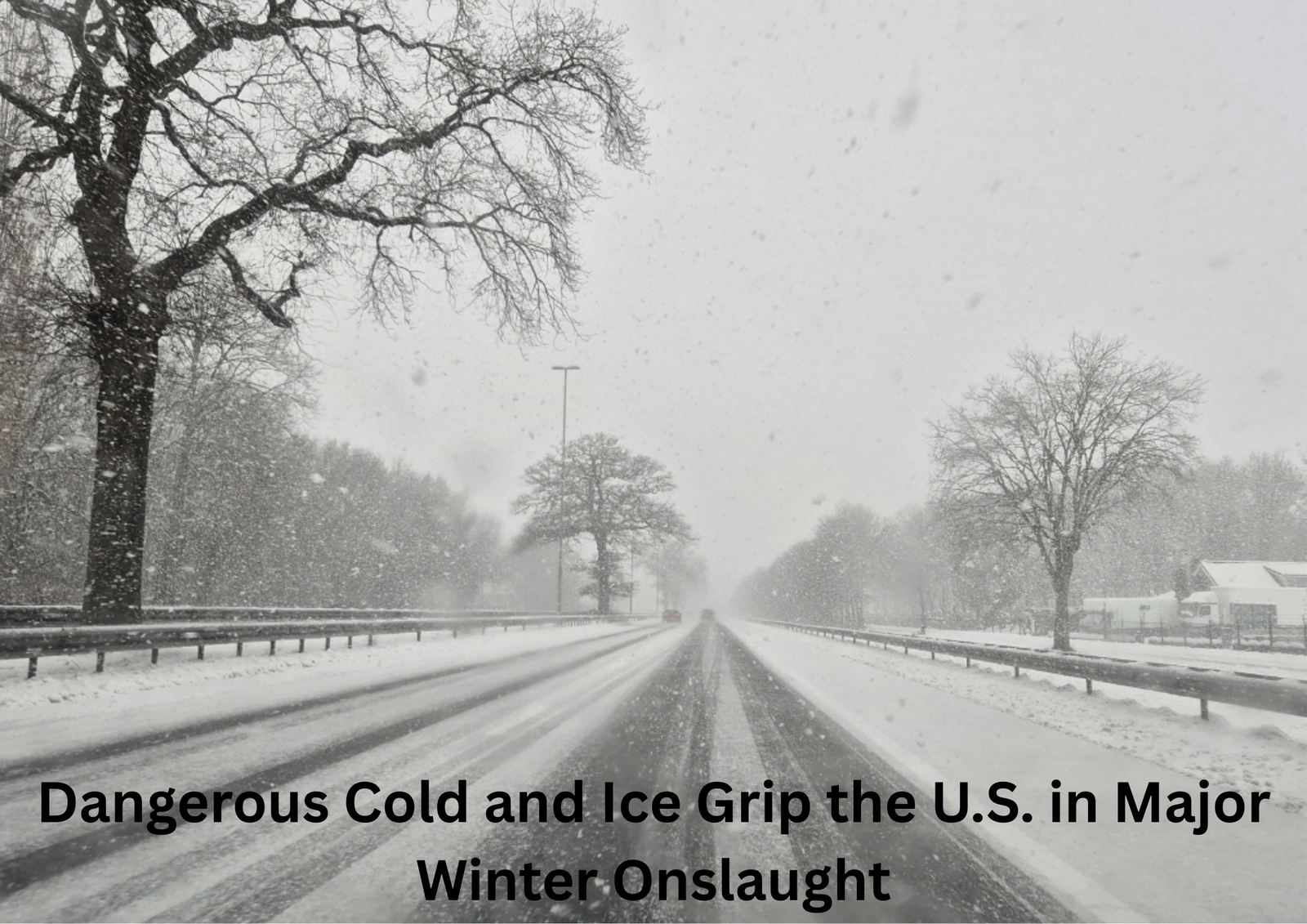
A powerful winter weather system is moving across large portions of the United States, unleashing a widespread mix of heavy snowfall, freezing rain, and intense cold that is disrupting daily life across multiple regions and raising serious safety concerns.
Meteorologists say the storm’s reach and intensity make it one of the most significant winter events of the season, affecting hundreds of millions of residents from the western mountains to the East Coast.
A Storm Affecting Much of the Nation
Weather agencies report that a substantial portion of the U.S. population is currently under winter weather alerts. Snow and ice warnings stretch across the Plains, Midwest, South, and Northeast, while cold weather advisories extend even farther. When extreme wind chills are included, forecasters estimate that well over 200 million people could experience hazardous conditions over the coming days.
Experts note that the combination of precipitation and sharply dropping temperatures increases the overall risk, particularly for travel and infrastructure.
Progression and Key Threats
The system first developed over the western United States, bringing snowfall to higher elevations before intensifying as it moved east. As it advances into central and southern states, warmer air aloft combined with freezing surface temperatures is creating ideal conditions for sleet and freezing rain.
Forecasters are especially concerned about ice accumulation in parts of the South and lower Midwest. Even moderate ice buildup can weigh down power lines and trees, increasing the likelihood of power outages and road closures.
By late weekend, the storm is expected to reach the Northeast, where colder air will support heavier snowfall. Major metropolitan areas along the East Coast may see significant accumulation, potentially slowing transportation and business activity.
Regional Impacts at a Glance
- Southern and Mid-Atlantic States: Ice remains the primary concern, with freezing rain expected to coat roads, bridges, and sidewalks. Some areas could see enough ice to make travel extremely dangerous.
- Northeast Corridor: Snowfall totals may reach several inches to over a foot in some locations, depending on the storm’s final track.
- Northern Plains and Upper Midwest: Following the storm, Arctic air will settle in, pushing temperatures well below normal. Wind chills may reach dangerously low levels, posing a serious frostbite risk.
Travel Disruptions and Public Response
The storm has already led to widespread travel disruptions. Thousands of flights have been canceled or delayed, and several major airports are operating with limited schedules. Highway departments in multiple states are urging drivers to stay off the roads unless travel is absolutely necessary.
Government offices and schools in several regions have announced closures or delays. Election officials in some cities have temporarily suspended in-person voting due to unsafe conditions.
Meanwhile, municipalities are facing shortages of winter supplies such as road salt, following repeated storms earlier in the season. Officials say restocking efforts are ongoing, though deliveries may take time due to weather-related transportation delays.
Safety Concerns Continue After the Storm
Authorities warn that dangers will not end when snowfall or freezing rain stops. Lingering ice combined with subfreezing temperatures can keep roads hazardous for days. As colder air returns, any melted snow or ice may refreeze overnight, creating additional risks.
Residents are advised to prepare for potential power interruptions, dress in layers, and take precautions to protect plumbing from freezing. Emergency agencies also stress the importance of checking on vulnerable individuals, including the elderly and those without reliable heating.
Weather officials emphasize that this storm should be taken seriously due to its scale, duration, and overlapping hazards. Staying informed through official forecasts and limiting unnecessary travel could help reduce the risk of injury during this prolonged winter event.
Read the full analysis on “Kashiwazaki-Kariwa Nuclear Reactor Halts Again Shortly After Long-Awaited Restart” to understand the causes, implications, and what this setback means going forward.