



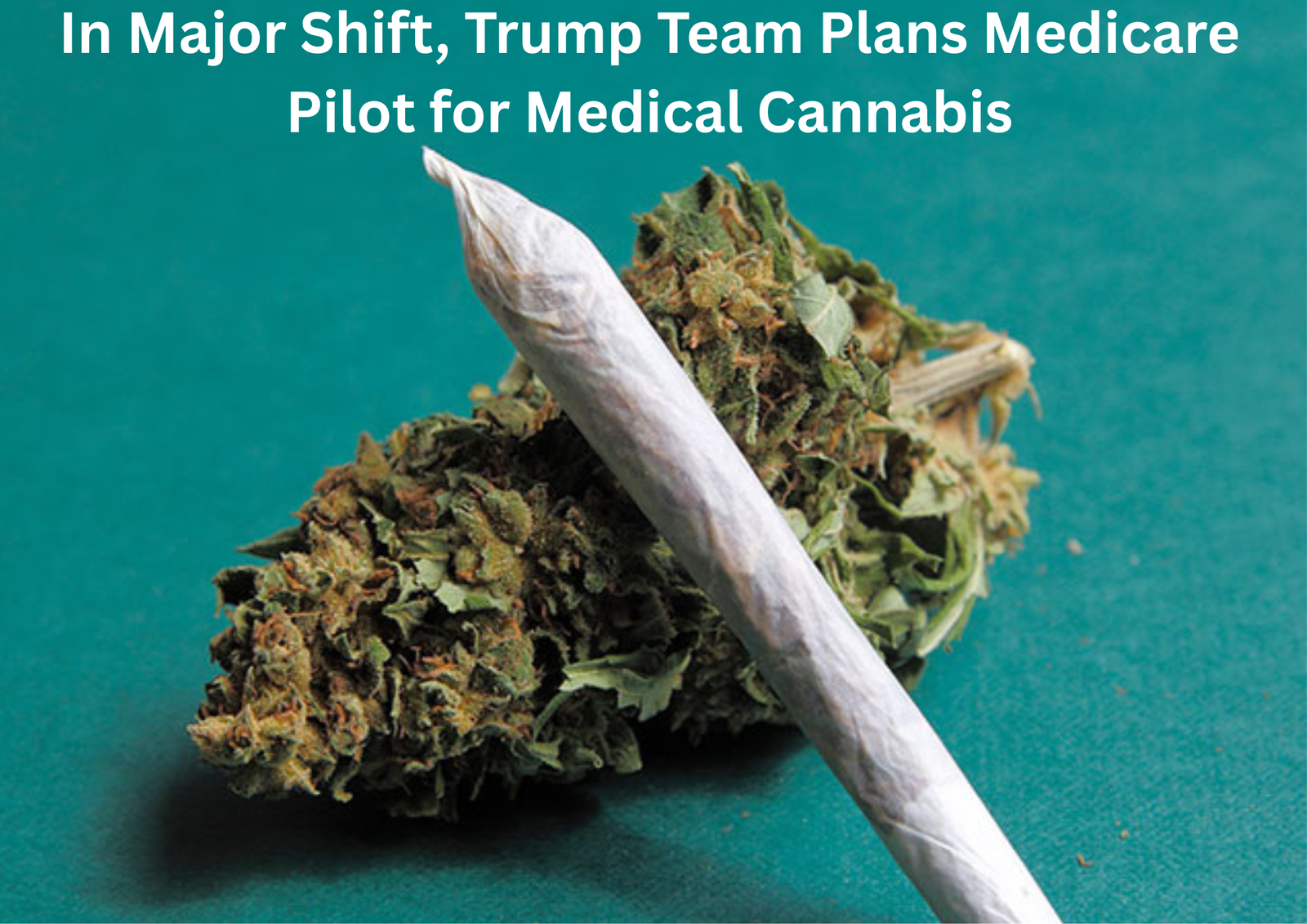
The White House is preparing an executive action that could significantly reshape U.S. drug policy by moving marijuana into a lower-risk federal classification while launching a limited Medicare initiative focused on cannabis-derived treatments for older Americans.
According to officials familiar with the plan, President Donald Trump is expected to authorize a directive that would begin the formal process of reclassifying marijuana from Schedule I to Schedule III under the Controlled Substances Act. Such a change would represent the most consequential federal adjustment to cannabis regulation in decades, formally acknowledging recognized medical uses while maintaining federal controls.
Marijuana is currently grouped with substances considered to have no accepted medical value. The proposed reclassification would place it in the same category as certain prescription medications that are regulated but medically approved, potentially easing restrictions on research and clinical trials.
Administration sources indicate the executive order would instruct the Department of Justice and the Drug Enforcement Administration to complete the administrative review process, which typically takes several months and includes public comment and scientific evaluation.
Alongside the reclassification effort, the order is expected to authorize a pilot program within the Centers for Medicare and Medicaid Services. The program would allow limited Medicare coverage for specific cannabis-based compounds, particularly cannabidiol (CBD), aimed at addressing conditions common among seniors such as chronic pain, inflammation, and sleep disorders.
Supporters of the initiative argue that the pilot would help gather real-world data on how older adults respond to regulated cannabinoid treatments, potentially informing future healthcare decisions. However, the proposal has also raised concerns among policymakers and health officials about costs, oversight, and the absence of broad FDA approvals for many cannabis-derived products.
Within the administration, discussions have reportedly included senior health regulators and policy advisers, reflecting differing views on whether Medicare should reimburse treatments that have not undergone traditional large-scale clinical trials. Some officials warn that bypassing established approval pathways could set a precedent affecting other drug categories.
The possible policy shift has drawn strong reactions from the scientific community. Some researchers caution that evidence supporting widespread medical use of cannabis, particularly among older populations, remains inconsistent. Others counter that current federal restrictions have made comprehensive research extremely difficult, arguing that reclassification is a necessary step to allow rigorous, controlled studies.
Financial markets have responded positively to reports of the anticipated order. Analysts say moving marijuana to Schedule III could ease long-standing tax and banking barriers faced by legal cannabis businesses, improving access to capital and encouraging institutional investment. Industry experts suggest the change could accelerate mergers, partnerships with pharmaceutical companies, and broader participation by regulated financial institutions.
Despite its scope, the expected executive action would not legalize recreational marijuana at the federal level, nor would it automatically change state laws. It also does not directly address sentencing or incarceration related to past cannabis offenses, an issue advocacy groups say remains unresolved.
Public opinion trends suggest growing acceptance of marijuana reform. Recent surveys show strong support for legalization and increasing daily use among adults, reflecting shifting attitudes nationwide.
If finalized, the executive order would mark a pivotal moment in federal cannabis policy, opening the door to expanded medical research, new healthcare experiments, and significant changes for a rapidly evolving industry.