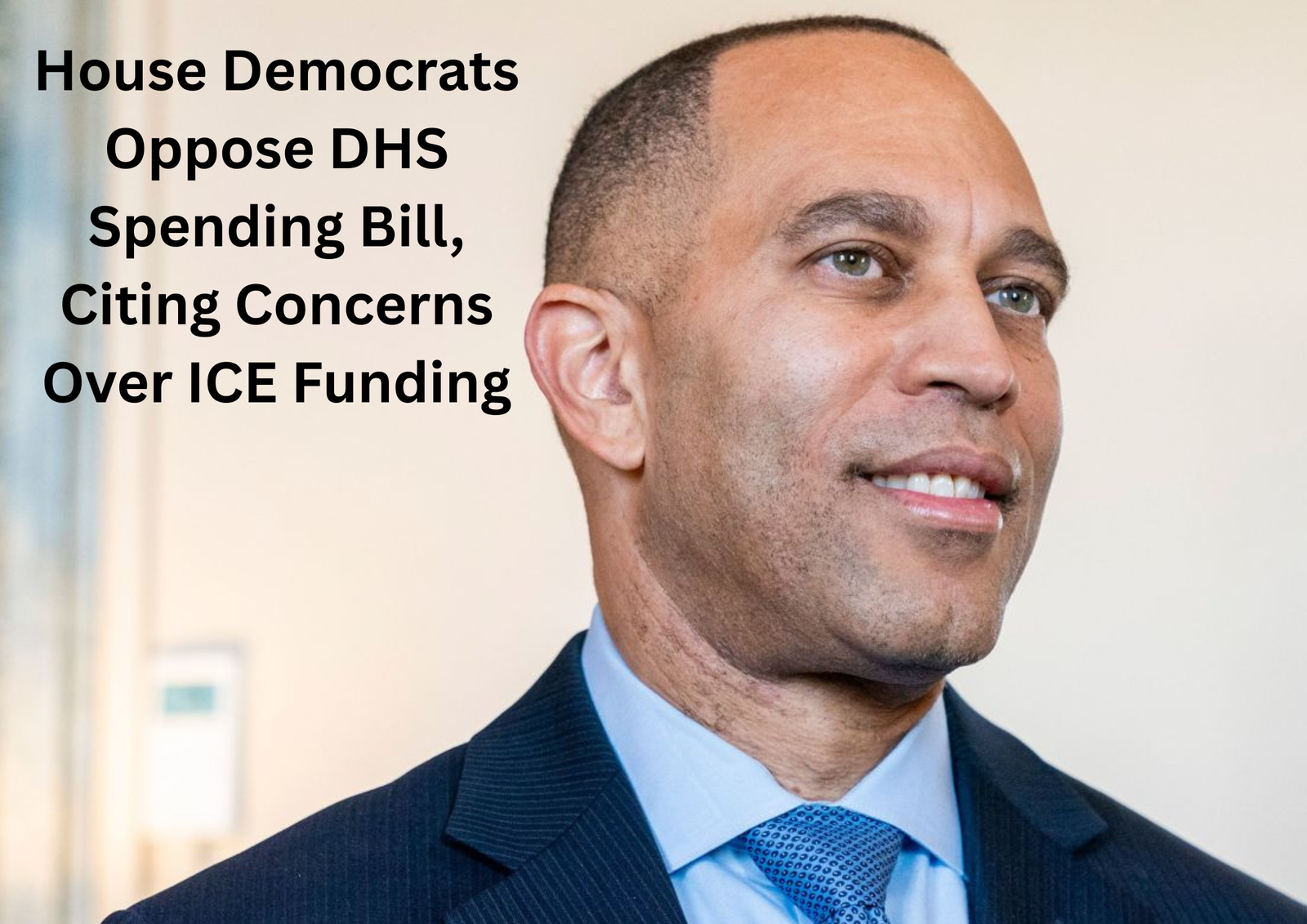
Senior Democrats in the U.S. House have indicated they will vote against an upcoming Department of Homeland Security spending proposal, raising objections to provisions that would continue or expand funding for Immigration and Customs Enforcement operations.
According to sources familiar with internal discussions, House Minority Leader Hakeem Jeffries has informed Democratic lawmakers that he intends to oppose the bill when it reaches the floor. While leadership is making its stance clear, party officials say there will be no formal effort to pressure members into a unified vote.
The decision reflects growing unease within the Democratic caucus over how DHS resources are allocated, particularly funds tied to detention capacity and deportation initiatives carried out by Immigration and Customs Enforcement. Critics argue the current framework prioritizes enforcement strategies that conflict with the party’s broader approach to immigration reform.
Other members of the Democratic leadership team are also expected to vote against the measure, reinforcing the message that opposition is widespread at the top. At the same time, the absence of a formal vote-whipping operation gives lawmakers from competitive districts greater latitude to decide independently, a move seen as an effort to avoid internal divisions ahead of future elections.
Progressive lawmakers and advocacy groups have increased pressure on party leaders in recent months, urging a tougher position on immigration enforcement funding. Their arguments have resonated with many Democratic voters, who have called for more emphasis on humanitarian policies and oversight within the Department of Homeland Security.
Despite leadership resistance, the funding bill is still expected to draw strong backing from Republicans, making its ultimate passage uncertain but possible. The outcome will likely hinge on a small group of moderate Democrats willing to cross party lines in the name of national security funding.
As the vote approaches, the episode underscores the balancing act facing House Democrats: responding to grassroots demands for change while navigating the political realities of a closely divided Congress.
Don’t miss this deep dive into “House Approves Measure to Overturn Federal Mining Restrictions Near Minnesota Wilderness”-read the full blog to understand the stakes, impacts, and what comes next.